🔬 Key Clinical Takeaways (Craving Control)
- In Ayurvedic medicine, Gymnema Sylvestre is known as "Gurmar"—literally translating to "The Destroyer of Sugar."
- When applied sublingually in Olivaro Drop™, triterpenoid Gymnemic Acids dock onto T1R2/T1R3 sweet-taste receptors on the tongue, dulling the reward signal of sugary snacks.
- In the small intestine, Gymnema also moderates SGLT1 glucose transporters to slow sugar absorption into the portal vein.
1. Why Willpower Alone Fails Against 3:00 PM & Late-Night Sugar Cravings
When post-meal blood sugar spikes rapidly and then plunges two hours later (reactive dip), your hypothalamus triggers an urgent neurological alarm demanding fast glucose. Willpower is no match for this biochemical survival signal.
2. Lingual Receptor Blockade: Why Sublingual Gymnema Works in Seconds
The active molecules in Gymnema sylvestre—Gymnemic Acids—possess an atomic arrangement nearly identical to glucose molecules. When you hold 1mL of Olivaro Drop™ in your mouth for 30 seconds, Gymnemic Acids bind to the T1R2/T1R3 sweet taste receptors on your tongue without activating them—effectively muting the hedonic dopamine rush of sweets for hours.
3. Intestinal Glucose Moderation & Pancreatic Support
After you swallow your 1mL serving of Olivaro Drop™, those same Gymnemic Acids travel to the brush border of the small intestine, where they partially occupy sodium-dependent glucose transporters (SGLT1), helping flatten post-meal glycemic excursions*.
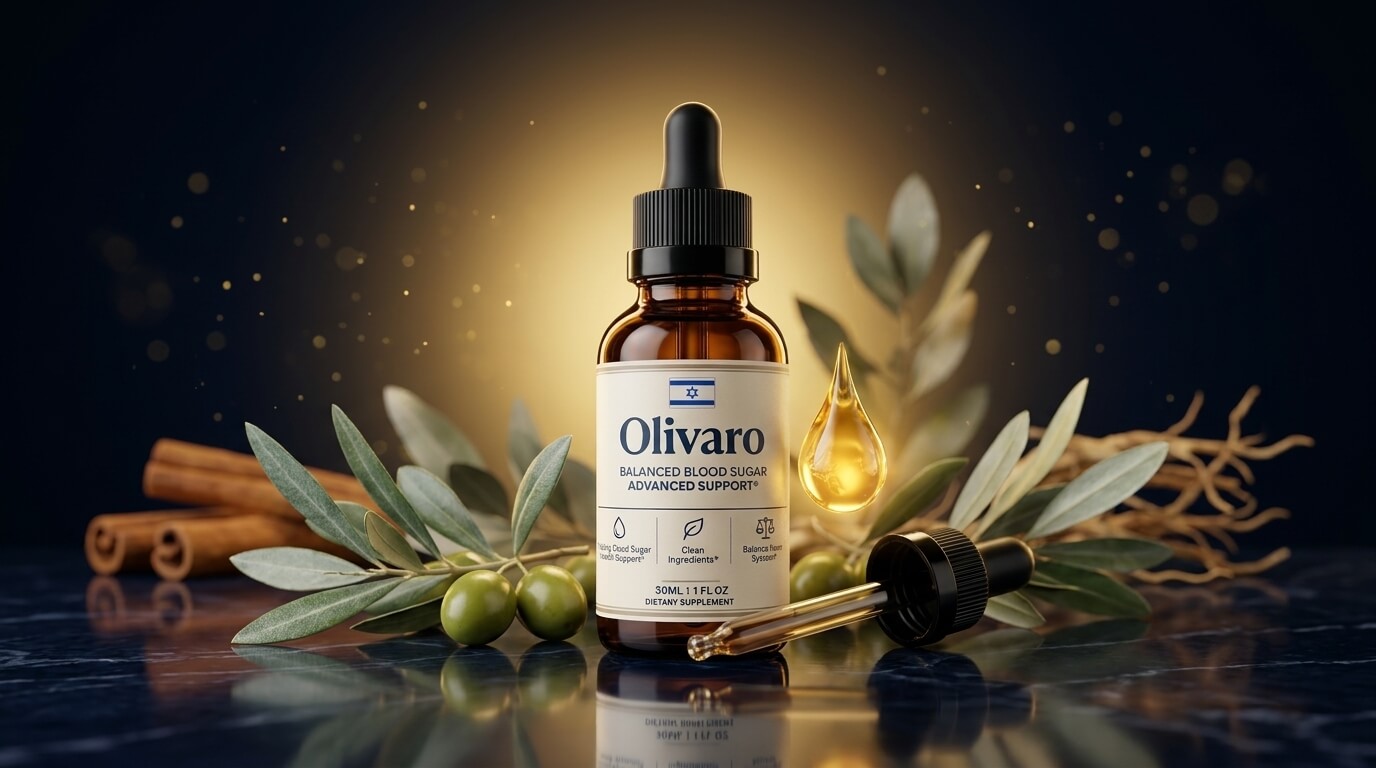
Try Olivaro Drop™ (30mL | 1 FL OZ) Risk-Free for 60 Days
Experience Fasting Blood Sugar Health Support*, Clean Ingredients*, and our Balance Form System* at up to 70% OFF on olivarodrop.org.
4. Frequently Asked Clinical Questions
📚 Peer-Reviewed References Cited in This Monograph
- Baskaran K, et al. Antidiabetic effect of a leaf extract from Gymnema sylvestre in non-insulin-dependent diabetes mellitus patients. J Ethnopharmacol. 1990;30(3):295-300. [PMID: 2259217]
- Turner S, et al. Consuming Gymnema sylvestre reduces the desire for high-sugar sweet foods. Nutrients. 2020;12(4):1046. [PMID: 32290086]
Related Glycemic Research Articles on olivarodrop.org