🔬 Key Clinical Takeaways (Post-Meal Control)
- Over 90% of cheap grocery and supplement cinnamon is Cassia (Cinnamomum aromaticum), which contains high levels of hepatotoxic coumarin.
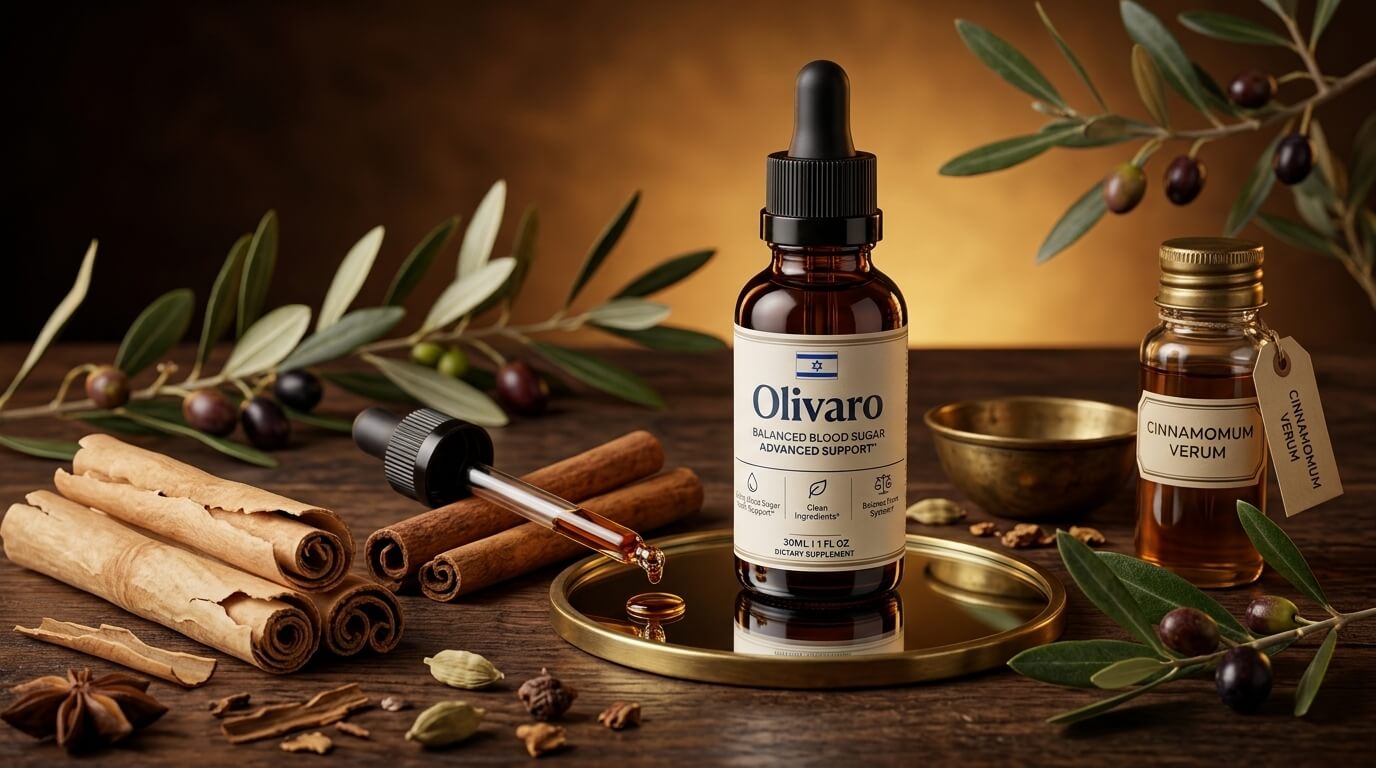
- Olivaro Drop™ uses 100% True Ceylon Cinnamon (Cinnamomum verum)—ultra-low in coumarin and rich in bioactive Type-A proanthocyanidin polymers.
- Ceylon Cinnamon slows digestive alpha-amylase and alpha-glucosidase enzymes to prevent sharp post-meal glucose spikes*.
1. The Hidden Coumarin Danger in Cheap Cassia Cinnamon Pills
Walk down any pharmacy aisle and you will see $12 bottles of "Cinnamon 2000mg" capsules. Nearly all of them use Chinese Cassia bark, which contains up to 1% coumarin—a compound known to stress liver enzymes when taken daily for months. True Ceylon Cinnamon (Cinnamomum verum) contains less than 0.004% coumarin (250 times less), making it safe for long-term 180-day metabolic protocols.
2. Type-A Proanthocyanidins: Slowing the Carbohydrate Floodgate
When you eat bread, rice, fruit, or pasta, digestive enzymes called alpha-amylase and alpha-glucosidase rapidly cleave complex starches into simple glucose, flooding your bloodstream within 30 minutes. The Type-A proanthocyanidin oligomers in Olivaro Drop™ gently pace these enzymes, turning a sharp post-meal spike into a gentle, manageable wave*.
3. Insulin Receptor Autophosphorylation Support
Beyond the digestive tract, water-soluble polyphenol polymers (MHCP) from Ceylon Cinnamon act as insulin-mimetics at the cellular membrane, stimulating insulin receptor autophosphorylation and inhibiting the PTP-1B enzyme that switches insulin receptors off.
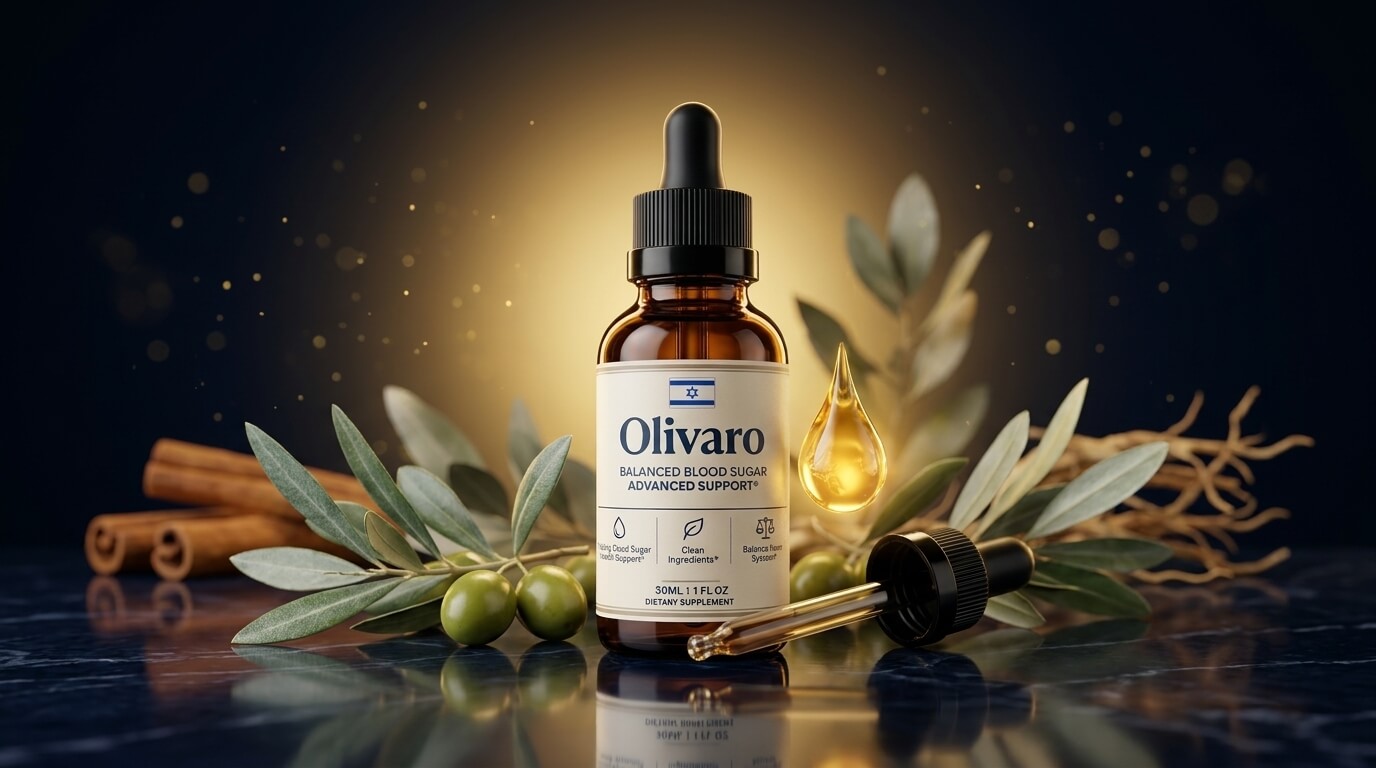
Try Olivaro Drop™ (30mL | 1 FL OZ) Risk-Free for 60 Days
Experience Fasting Blood Sugar Health Support*, Clean Ingredients*, and our Balance Form System* at up to 70% OFF on olivarodrop.org.
4. Frequently Asked Clinical Questions
📚 Peer-Reviewed References Cited in This Monograph
- Ranasinghe P, et al. Efficacy and safety of "true" cinnamon (Cinnamomum zeylanicum) as a pharmaceutical agent in diabetes: a systematic review and meta-analysis. Diabet Med. 2012;29(12):1480-1492. [PMID: 22671971]
- Anderson RA, et al. Isolation and characterization of polyphenol type-A polymers from cinnamon with insulin-like biological activity. J Agric Food Chem. 2004;52(1):65-70. [PMID: 14709014]
Related Glycemic Research Articles on olivarodrop.org