🔬 Key Clinical Takeaways (Trace Minerals)
- Up to 90% of modern diets provide suboptimal levels of trivalent Chromium due to soil depletion and refined food processing.
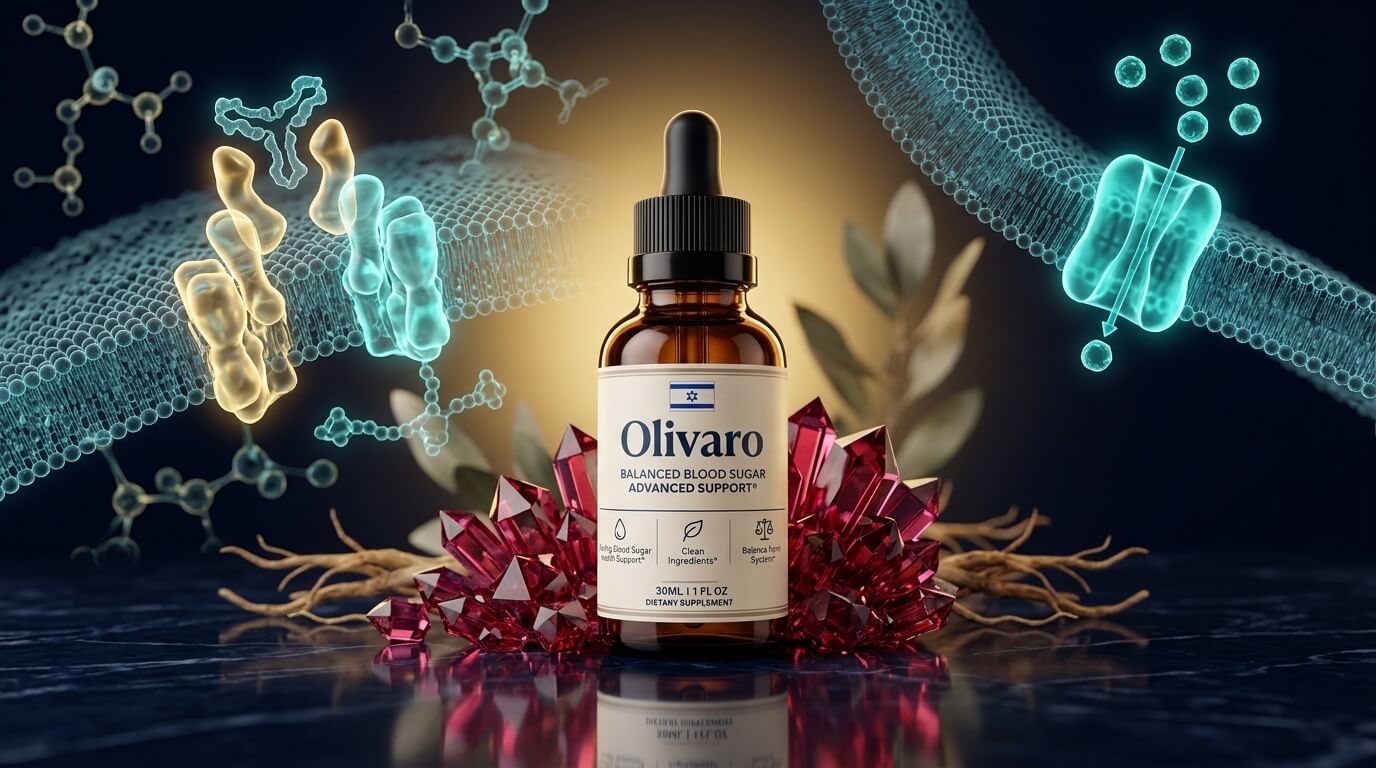
- Inside the cell, Chromium binds to an oligopeptide called Apochromodulin to form Holo-Chromodulin—amplifying insulin receptor tyrosine kinase activity by up to 8-fold.
- Each 1mL dropper of Olivaro Drop™ delivers 200mcg of highly bioavailable Chromium Picolinate (571% Daily Value).
1. Why Botanicals Need a Trace Mineral Cofactor to Complete the Circuit
Botanical polyphenols like Oleuropein and Berberine are extraordinary at activating AMPK and GLUT4, but your cellular insulin receptors also require an inorganic trace element to lock the biochemical key into place: trivalent Chromium ($Cr^{3+}$).
Ironically, high-carbohydrate diets increase urinary chromium excretion by up to 300%, meaning the individuals who need Chromium most are often the most depleted.
2. The Chromodulin Amplification Mechanism
When insulin binds to the alpha-subunit of its cellular receptor, four trivalent Chromium ions enter the cell and bind to a small peptide to create Chromodulin (low-molecular-weight chromium-binding substance). Chromodulin latches onto the intracellular beta-subunit of the insulin receptor, amplifying tyrosine kinase signaling up to 800% so glucose enters the cell smoothly.
3. Why We Chose 200mcg Chelated Chromium Picolinate in Liquid Form
In inorganic chromium chloride supplements, less than 0.5% is absorbed. By chelating trivalent chromium to picolinic acid (Chromium Picolinate) at a clinical 200mcg (571% DV) dose suspended in sublingual liquid, Olivaro Drop™ ensures rapid cellular saturation.
Try Olivaro Drop™ (30mL | 1 FL OZ) Risk-Free for 60 Days
Experience Fasting Blood Sugar Health Support*, Clean Ingredients*, and our Balance Form System* at up to 70% OFF on olivarodrop.org.
4. Frequently Asked Clinical Questions
📚 Peer-Reviewed References Cited in This Monograph
- Anderson RA, et al. Elevated intakes of supplemental chromium improve glucose and insulin variables in individuals with type 2 diabetes. Diabetes. 1997;46(11):1786-1791. [PMID: 9356027]
- Vincent JB. Elucidating a biological role for chromium at a molecular level. Acc Chem Res. 2000;33(7):503-510. [PMID: 10913239]
Related Glycemic Research Articles on olivarodrop.org