🔬 Key Clinical Takeaways (Olive Leaf Science)
- Mediterranean Olive Leaf (Olea europaea) contains up to 40x higher polyphenol concentration than extra-virgin olive oil.
- A landmark randomized trial (de Bock et al., PLoS One) showed standardized olive leaf extract improved insulin sensitivity by 15% and beta-cell responsiveness by 28%.
- Sublingual delivery in Olivaro Drop™ (30mL | 1 FL OZ) prevents gastric hydrolysis of Oleuropein and Hydroxytyrosol.
1. Why Mediterranean Olive Leaf Outperforms Ordinary Olive Oil for Glycemic Control
While extra-virgin olive oil is celebrated across Israel, Greece, and Southern Europe for cardiovascular longevity, phytopharmacologists have long known that the highest concentration of bioactive secoiridoid polyphenols resides inside the silver-green leaves of the Olea europaea tree. Specifically, Oleuropein and its primary metabolite Hydroxytyrosol act as potent metabolic signaling molecules inside human liver and skeletal muscle tissue.
In Olivaro Drop™, we utilize Galilean-inspired Mediterranean Olive Leaf Extract standardized to a full 20% Oleuropein. Unlike raw leaf powders that vary wildly from harvest to harvest, a 20% standardized liquid extract guarantees consistent millimeter-by-millimeter potency in every 1mL dropper.
2. Clinical Mechanism: AMPK Activation & Pancreatic Beta-Cell Defense
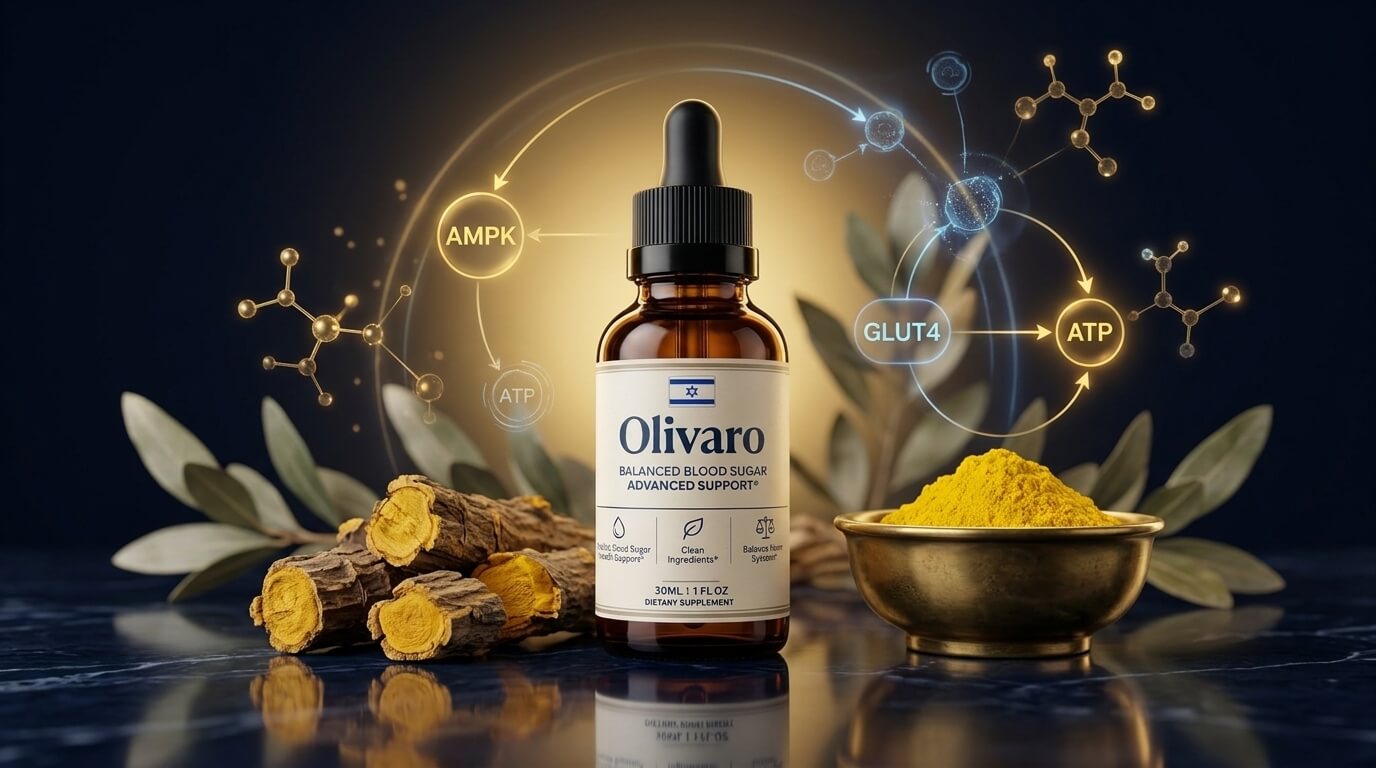
When Oleuropein enters systemic circulation via the sublingual mucosa, it triggers two complementary glycemic pathways:
- Hepatic AMPK Phosphorylation: Oleuropein stimulates AMP-activated protein kinase (AMPK), down-regulating nocturnal gluconeogenesis enzymes (PEPCK and G6Pase) that otherwise drive elevated morning fasting blood sugar readings*.
- Pancreatic Beta-Cell Antioxidant Shielding: Insulin-secreting beta cells are uniquely vulnerable to reactive oxygen species (ROS). Hydroxytyrosol scavenges free radicals and supports healthy Phase-1 insulin secretion in response to meals.
3. Human Randomized Controlled Trial Evidence (PMID: 23516412 & 22512698)
In a double-blind, randomized, placebo-controlled crossover trial published in PLoS One (de Bock et al., 2013), overweight middle-aged men supplementing with standardized olive leaf polyphenols for 12 weeks demonstrated a 15% improvement in insulin sensitivity (Matsuda index) and a 28% improvement in pancreatic beta-cell function compared to placebo.
Similarly, an Israeli clinical trial conducted at Tel Aviv University's Wolfson Medical Center (Wainstein et al., Journal of Medicinal Food, 2012) confirmed that daily olive leaf extract significantly supported healthy HbA1c and fasting plasma insulin profiles.
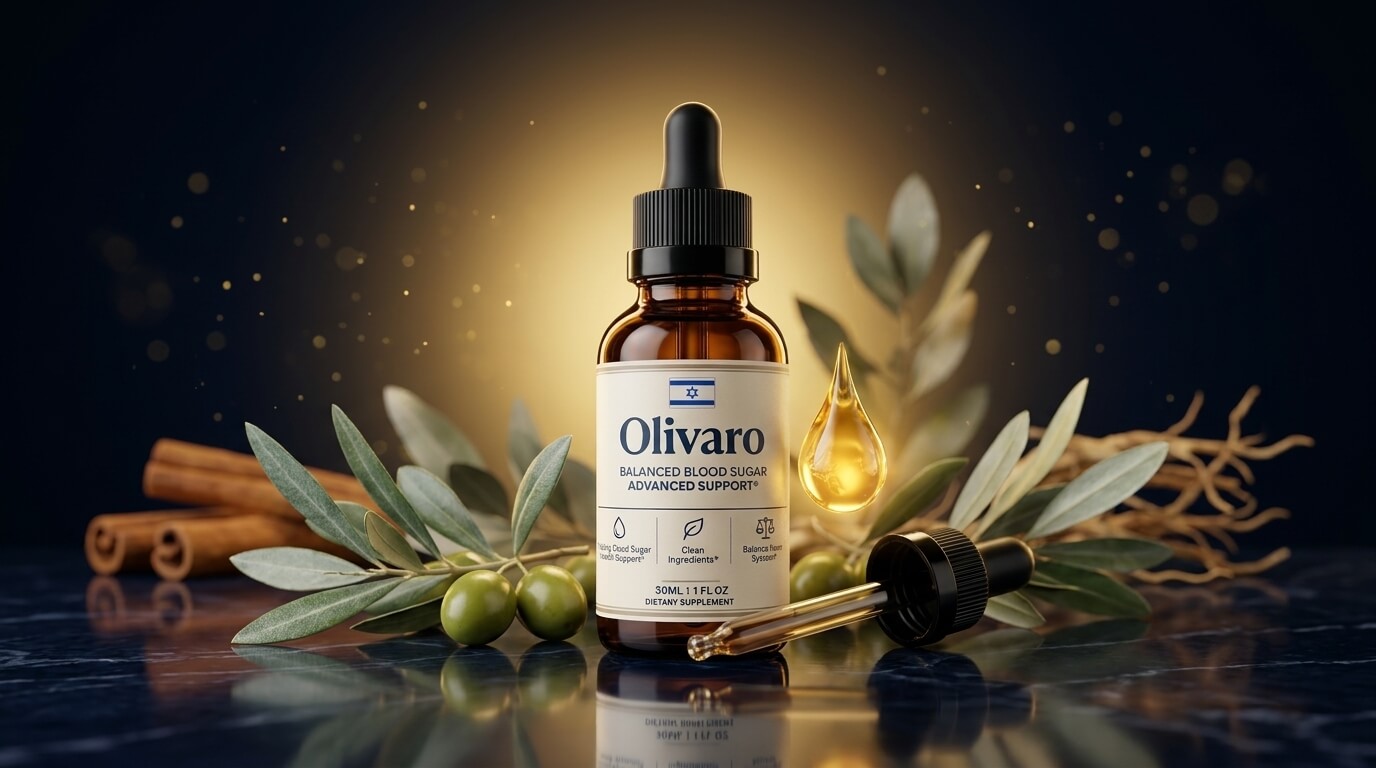
Try Olivaro Drop™ (30mL | 1 FL OZ) Risk-Free for 60 Days
Experience Fasting Blood Sugar Health Support*, Clean Ingredients*, and our Balance Form System* at up to 70% OFF on olivarodrop.org.
4. Frequently Asked Clinical Questions
📚 Peer-Reviewed References Cited in This Monograph
- de Bock M, et al. Olive (Olea europaea L.) leaf polyphenols improve insulin sensitivity in middle-aged overweight men. PLoS One. 2013;8(3):e57622. [PMID: 23516412]
- Wainstein J, et al. Olive leaf extract as a hypoglycemic agent in both human diabetic subjects and in rats. J Med Food. 2012;15(7):605-610. [PMID: 22512698]
Related Glycemic Research Articles on olivarodrop.org